Relocating to Orlando, Florida · A guide by Ruth Rivera

Living in Orlando. The honest, sourced guide.


After more than 30 years in Florida real estate, the question I get asked more than any other is simple: what is Orlando really like to live in? Here is my honest answer in one line: Orlando is a theme-park economy layered onto one of America’s fastest-growing family regions, and underneath the tourist signs it is a warm, lake-dotted town of oak-lined streets, working neighborhoods, and a job market that keeps making room for newcomers.

This guide is built for relocators. I walk you through the current housing market with dated, sourced numbers, what to know about schools, the neighborhoods people actually choose, real commute times on the main corridors, and an honest read on the cost of living. Nothing here is invented or guesswork: where public sources disagree, I show the range and say so. And when you are ready to look at homes, I would love to help you find the right one.

2.96M

Metro residents (Census 2025)

12,010

Homes on market (ORRA, Mar 2026)

26 min

Average one-way commute (Census)

Downtown Orlando skyline at golden hour across Lake Eola with the fountain in the foreground
Downtown Orlando
Lake Eola at golden hour

Orlando market snapshot · 2026

The market in one honest table.


These are the numbers that matter when you compare Orlando to where you live now. Every figure comes from the named public source, with its date, verified together on October 1, 2026.

Measure Orlando figure Source and date
Median home price $385,000 Orlando Regional Realtor Association (ORRA), State of the Market, March 2026
Price per square foot ≈ $260 (range $251–$269) No single official ORRA metro figure published; SoFi and MCHomes Realty citywide trackers, 2025–2026
Days on market ≈ 77 (avg); median trackers 37–67 ORRA March 2026 summaries (average); Redfin and SoFi tracker medians, 2026
Median rent (all apartments) $1,529 Apartment List Rent Report, September 2026 (August 2026 data)
Year-over-year price change −0.1% ORRA, March 2026 vs. March 2025 (median essentially flat)
Active inventory 12,010 homes · 5.09 months of supply ORRA State of the Market, March 2026 (highest spring count since 2019)

Source notes: Orlando Regional Realtor Association (ORRA), State of the Market report, March 2026, via orlandorealtors.org; Apartment List Orlando Rent Report, September 2026; Zumper Orlando rent research, September 2026 (median $1,875, a different property mix and method); SoFi, Redfin, and MCHomes Realty Orlando housing trackers, 2025–2026. ORRA publishes no single official metro-wide price-per-square-foot or median-days-on-market figure, so those rows show the published range rather than an invented number. All figures verified October 1, 2026.

What this means for buyers: balanced supply and flat prices give you time to compare neighborhoods, negotiate on terms, and get insurance quotes before you commit, which was rare in this market just a few years ago. For sellers, fair pricing backed by current data is what keeps a home moving.

Schools

Schools: what buyers need to know.


The school system around Orlando is big, and that is a feature once you understand it. Orange County Public Schools (OCPS), the district serving Orlando, is one of the largest in the country: roughly 209,000 students across about 210 schools, the 8th-largest district in the United States and 4th-largest in Florida (OCPS, 2025–26 school year). The district runs 214 regular-attendance schools, including 133 elementary, 10 K–8, 41 middle, and 23 high schools, plus specialized and adult education centers (OCPS, 2025–26).

Buyers who like a smaller, county-run system sometimes look just north at Seminole County Public Schools, a district of about 76 schools and 65,000 students based in Sanford (U.S. News district profile). Seminole serves communities like Lake Mary, Altamonte Springs, Casselberry, and Oviedo, and it sits an easy drive from north Orlando neighborhoods like Maitland.

My honest rule, which I repeat on every tour: school assignments are address-specific, and they can change as districts redraw boundaries or schools fill up. Two homes a few streets apart can feed different schools, and a great school at one address does not guarantee the same school next door. Florida also gives families school choice options, so your zoned school is not always your only option.

Verify by address, every time

Before you make an offer, confirm the exact address with the district directly: Orange County Public Schools (OCPS) at ocps.net for Orlando area addresses, or Seminole County Public Schools at scps.us for addresses just north. I keep this page to district facts on purpose. Rankings and opinions about schools belong in a conversation about your child and your family, not a guide for everyone, and I am happy to have that conversation with you.

Neighborhoods

Seven communities people choose.


There is no single best neighborhood in Orlando, because the right fit depends on your commute, your budget, and the way you want to live. What I can do is describe each area by its character, who it tends to suit, and what the drive feels like. I describe areas by lifestyle on purpose: under the Fair Housing Act, every buyer has the right to live in any of these communities, and I serve everyone with the same care, in English or Spanish.

Winter Park

Historic charm with brick streets, lakes, and the boutiques of Park Avenue around Rollins College. Older homes under mature oaks give it a settled, storybook feel, and the walkable center makes errands feel like a day out.

Good for: Families and professionals who want historic character, a walkable town center, and a short drive to the city.

One of the closest-in communities: downtown Orlando is usually about 15 to 25 minutes depending on traffic.

College Park

A historic bungalow district minutes from downtown with its own small main street, tree-lined sidewalks, and a strong sense of community. Weekend farmers market and local spots keep daily life easy and friendly.

Good for: Young professionals and small families who want city convenience with a front-porch neighborhood feel.

Downtown is very close, often about 10 to 15 minutes, and the SR 408 expressway sits nearby for east-west trips.

Baldwin Park

A master-planned village built around a lake and a walkable town center, with a mix of townhomes and larger family homes. The planned layout makes it one of Orlando’s most walkable all-around communities.

Good for: Families and young professionals who want sidewalks, shops, and parks, all within the city.

About 15 to 20 minutes to downtown, with quick access to SR 408 and SR 417 toward UCF and the airport.

Dr. Phillips

An established suburban community with restaurant-row dining along Sand Lake Road and easy reach of the region’s biggest job engine. Quiet residential streets, good parks, and every convenience nearby.

Good for: Families plus hospitality and entertainment professionals who work in the tourist corridor.

The theme-park corridor is close; the congested I-4 stretch there can make back roads the faster choice on weekdays, and downtown runs roughly 20 to 30 minutes.

Lake Nona

A fast-growing master-planned community anchored by Lake Nona Medical City, home to AdventHealth, Nemours, the UCF College of Medicine, and KPMG. Newer homes, wide sidewalks, and a growing town center.

Good for: Healthcare and knowledge-economy professionals, plus families who want new construction and planned amenities.

SR 417 is at your doorstep, the airport is about 15 to 20 minutes, and downtown runs about 25 to 30.

Windermere

A lakeside town west of downtown on the Butler Chain of Lakes, with a quiet main street, horse-friendly trails, and a slower rhythm. Homes range from classic lakefronts to newer family communities.

Good for: Families who want space, water access, and a small-town pace.

SR 429 connects the west side and the theme-park corridor, often 15 to 25 minutes to that area, with downtown roughly 25 to 35.

Maitland

A leafy community just north of Winter Park with lakefront parks, nature trails, and office parks tucked among the trees. It balances a suburban feel with easy access to the city.

Good for: Families and professionals who want greenery and room to spread out while staying close to the urban core.

Downtown is about 15 to 25 minutes via I-4 or U.S. 17-92, and SR 417 is handy for the east side and the airport.

A note on fit: these are everyday starting points, not a complete list. Orlando has dozens of communities worth a look, from downtown condos to east-side suburbs, and the right one for you may be a quieter street I only find by listening to what you actually need.

Commute & connectivity

Getting around: the honest picture.


The official average one-way commute is about 26 minutes in the city and 28 minutes across Orange County (U.S. Census). Your real number depends on which corridor you live near and which one you drive, so here is the practical map.

Downtown Orlando

The office and government heart of the region, with corporate headquarters, Creative Village, and the SunRail commuter-rail hub. Homes in College Park, Winter Park, and Baldwin Park keep this drive short.

The tourist corridor

Disney, Universal, and International Drive power the region’s biggest employment base. It is served mostly by I-4, the metro’s main spine, and a stretch near the parks was ranked the most congested corridor in the United States in a late-2025 study (WESH). Living west near Dr. Phillips or Windermere, with SR 429 access, shortens the worst of it.

Lake Nona Medical City and the airport

AdventHealth, Nemours, KPMG, and the UCF medical campus anchor this southeast hub on SR 417. Living in Lake Nona or east of downtown near the 417 puts the drive in minutes, including a quick run to Orlando International Airport (MCO).

I-4

The metro’s free north-south spine through downtown and the theme parks. It is also the busiest road in the region, so expect peak-hour stretches to roughly double off-peak times; the newer I-4 Express toll lanes give you an option to buy back time.

SR 408 (East-West Expressway)

A toll expressway across the middle of the region, from the Ocoee and Winter Garden area through downtown toward UCF. From the western suburbs to downtown, typical runs are about 15 to 30 minutes depending on the hour.

SR 417 (Central Florida GreeneWay)

The eastern toll beltway serving Lake Nona, UCF, Oviedo, and the airport. It is generally the more reliable, less congested choice for east-side and airport trips.

SR 528 (Beachline)

The toll expressway east to the airport and the Space Coast. Airport trips from most central neighborhoods run about 20 to 30 minutes, and outbound traffic can build in the evening.

SR 429 (Daniel Webster Western Beltway)

The western toll beltway linking the Winter Garden, Windermere, and Clermont area to the theme-park corridor and I-4. It is the main release valve for west-side commuters.

Ruth’s rule of thumb: the toll roads use SunPass, E-PASS, or toll-by-plate, with express lanes priced dynamically, so a transponder keeps tolls simple. Plan on adding 10 to 25 minutes to any off-peak estimate if you will drive I-4 in rush hour, and expect the toll expressways, especially SR 417 and SR 429, to trade a small fee for a far more predictable schedule.

Cost of living

What life actually costs: an honest portrait.


Most widely cited cost-of-living indexes put Orlando roughly 5% to 9% below the U.S. average (PayScale and RentCafe, 2026), and even the sources that come in closer still find housing below the national norm. Here is the portrait without fake precision, in the general terms and ranges that are actually true.

Housing

The biggest line item, and the reason many relocators come out ahead. The sourced median price and rent figures are in the snapshot above, and Orlando housing has historically cost less than Florida’s coastal metros.

Taxes

Florida has no state personal income tax, a real difference on your take-home pay. Property taxes in Orange County typically run about 1.6% to 1.9% of taxable value depending on city and millage (Orange County Property Appraiser, 2025 millage rates), and Florida’s homestead exemption can lower the bill on a primary residence.

Insurance

The state’s biggest variable. Florida’s average home insurance premiums are among the highest in the nation (Bankrate, 2025; Insurify, 2026), while Central Florida generally runs lower than the coasts. Every property quotes differently, so we always get real insurance quotes before you make an offer.

Utilities and groceries

Air conditioning is the workhorse of a Florida summer, so utility bills run a little above the national average, and groceries edge slightly above as well (Apartments.com, 2025). The trade is a mild winter and almost no heating bills to speak of.

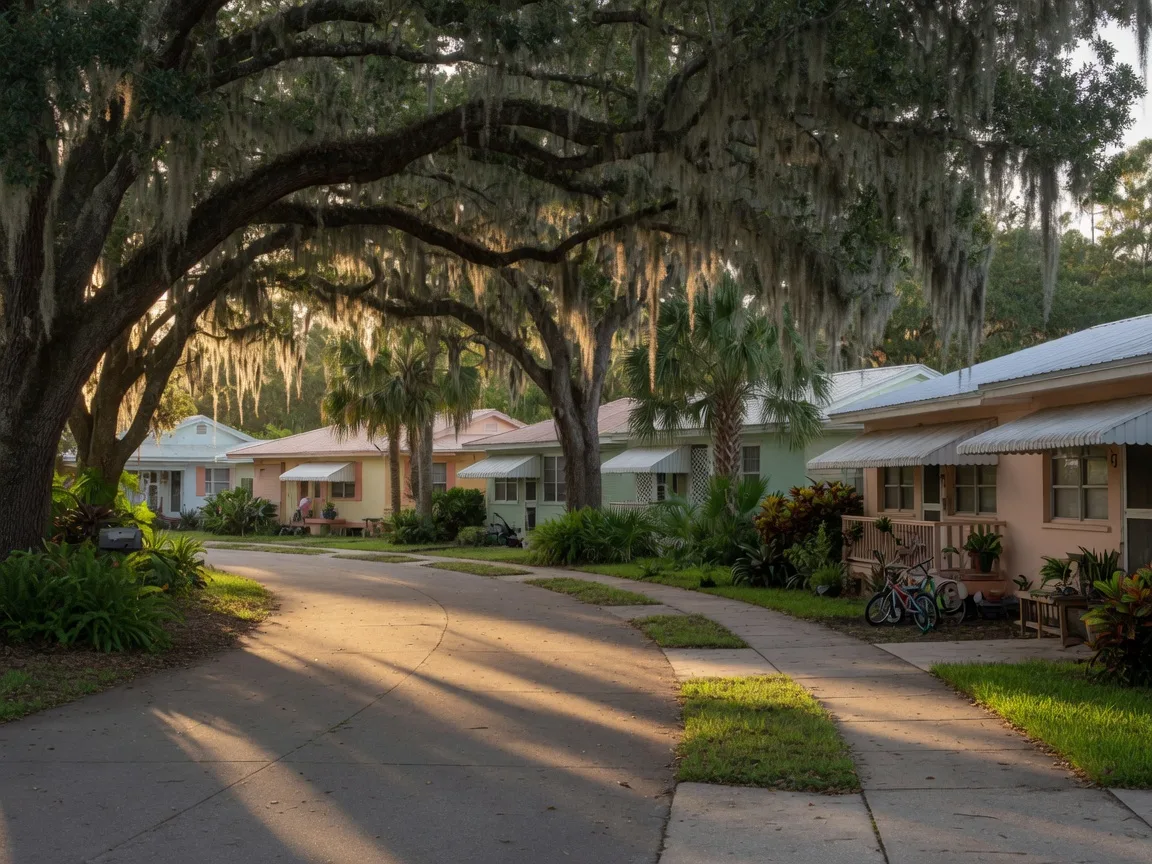
A leafy residential street in a Central Florida neighborhood with live oaks and Spanish moss at warm afternoon light
The everyday Orlando
Quiet streets, warm light

“The point of this section is not a fake-precise number, because your household is different from the next. When we talk about your budget, I walk you through the real line items for the actual homes and ZIP codes you are considering.”

Ruth Rivera · Your Fearless Real Estate Resource

Pros and cons

The honest pros, and the practical cons.


No place is right for everyone at every moment, and Orlando is no exception. Here are the real strengths, and the things that ask a little planning, framed the practical way I frame them for my own clients.

What Orlando does well

A real job market

Tourism and hospitality, healthcare, tech and defense, and a growing corporate office base keep the region adding jobs and drawing newcomers.

Friendly math

No state income tax, and an overall cost of living that most indexes put roughly 5% to 9% below the U.S. average.

Family-first everyday life

Lakes, parks, farmers markets, and neighborhood events fill the calendar, with the theme parks close enough to enjoy and easy to leave behind.

A world-class airport

Orlando International Airport (MCO) flies direct across the country, and Brightline rail connects the airport to South Florida.

A balanced 2026 market

Months of supply near 5 gives buyers real choice and sellers a fair market, with the best spring inventory in years (ORRA, March 2026).

What to plan for

Summer heat and humidity

Real, and manageable. Efficient air conditioning, insulated windows, and tours planned for cooler mornings make it easy; we check a home’s AC age and efficiency on every visit.

Car-dependent daily life

A car is the practical starting point for most families, and the toll expressways plus weekday SunRail add options. The best move is choosing a home near your job corridor so the daily drive stays short.

Insurance and taxes vary by address

Florida premiums are among the nation’s highest and every property is different. We get real quotes and tax estimates before you make an offer, so the numbers never surprise you at closing.

Tourist traffic in places

The crowds stay mostly on the tourist spine. Living neighborhoods like College Park, Baldwin Park, or Maitland feel a world away, and knowing the back roads keeps daily life calm.

Hurricane season

A fact of Florida life. We look at flood zones, roof age, and wind-mitigation features with every home, and most of the year the weather is among the best in the country.

Fast growth and construction

Orlando is building, which means some road projects now and new amenities in a few years. Choosing a home near the corridors you use keeps your day-to-day steady while the region levels up.

Relocator FAQ

Questions people ask before they move.


These are the questions relocators actually type into Google and AI tools when they are weighing the move to Orlando. Here are my direct answers, in my own voice, and every one of them ends with the same open door.

Is Orlando a good place to live?

For most relocators, yes, and the numbers back it up: Orlando was Florida’s fastest-growing metro in 2025, adding close to 38,000 residents in a single year (U.S. Census Bureau). The city itself is home to roughly 334,000 people inside a metro of nearly 3 million. Warm winters, no state income tax, family-friendly neighborhoods, and a job market with real engines make it an easy place to choose, and I would love to help you see it through the eyes of someone who lives here.

What is the cost of living like in Orlando?

Most widely cited indexes put Orlando roughly 5% to 9% below the U.S. average, with housing below the national norm and no state income tax (PayScale and RentCafe, 2026). Utilities and groceries run a bit above average, and home insurance is the item that varies most. The sourced housing numbers are in the snapshot above, and I always build a personalized budget so you know your real number before you shop.

What are the best neighborhoods in Orlando?

There is no single best neighborhood, only the best fit for your commute, budget, and lifestyle. Winter Park and College Park are classic close-in picks, Baldwin Park is walkable and planned, Dr. Phillips sits near the tourist-corridor jobs, Lake Nona anchors the Medical City, and Windermere and Maitland offer space and greenery. Tell me where you will work and how you want to live, and I will narrow it to the two or three areas worth touring first.

How are the schools in Orlando?

Orlando is served by Orange County Public Schools, one of the largest districts in the country at roughly 209,000 students, and buyers just north often consider Seminole County Public Schools as well. The honest rule: school assignments are address-specific and can change, so confirm by the exact address with the district before you make an offer. Florida also gives families school choice options beyond the zoned school, and I help buyers verify all of it as part of the search.

How long is the commute in Orlando?

The average one-way commute is about 26 minutes in the city and 28 minutes in the county (U.S. Census). Your real number depends on the corridor: close-in neighborhoods run 10 to 25 minutes to downtown, while cross-town trips through the center can take longer, especially on I-4 at rush hour. The toll expressways, especially SR 417 and SR 429, trade a small fee for a much more predictable drive, and the section above breaks down each corridor.

Do I need a car to live in Orlando?

Practically speaking, yes: most daily life in Orlando is car-based. LYNX buses cover the region, SunRail runs weekday commuter rail through downtown and the suburbs, and Brightline connects the airport to South Florida, but none of them replaces a car for school runs and weekend life. The trick is choosing a home near your job corridor so the drive stays short, and that is exactly what we plan together.

Is Orlando family-friendly?

Very much so. Beyond the obvious attractions, everyday life is built around lakes, parks, playgrounds, farmers markets, and a calendar of neighborhood events, with strong options for sports and activities across the region. Many families tell me the theme parks become an occasional weekend treat rather than part of the routine. If a family-friendly neighborhood is your priority, that is where I will start your tour list.

What is the Orlando housing market like right now?

In one word: balanced. The Orlando Regional Realtor Association reported the median price holding essentially flat year over year in March 2026, with active inventory at its highest spring level since 2019 and about five months of supply (ORRA). That means more choice for buyers and fair pricing for sellers, with more room to negotiate than in recent years. The full sourced figures, including median price and rent, are in the snapshot above, and I would love to show you what they mean for your budget.

Should I rent or buy in Orlando?

The honest answer is: it depends on how long you plan to stay. If you expect to be in the area for fewer than a couple of years, renting keeps your options open, and rents here sit near the national median. If you are putting down roots, buying builds equity and locks in your housing cost, and today’s balanced market gives buyers unusual leverage. Let’s run the honest numbers for your timeline together.

Which Orlando neighborhood fits my commute best?

Match the home to the job corridor and you will start every day relaxed. Downtown workers tend to thrive in College Park, Winter Park, or Baldwin Park; tourist-corridor teams often pick Dr. Phillips or Windermere; and Medical City or airport staff usually land in Lake Nona or along SR 417. Tell me your office address and I will build a short list around your real drive.

Equal professional service

A fair chance at home in Orlando, for everyone.

Ruth provides equal professional service to all clients, regardless of race, color, religion, sex, disability, familial status, or national origin, and follows the REALTOR® Code of Ethics and the Fair Housing Act. Every relocator gets the same care, the same honesty, and the same protection, in English or Spanish.

Equal Housing Opportunity REALTOR logo

Ready to find your Orlando home?


Whether you are moving next month or exploring for next year, I would love to be your guide. Start by searching homes, or send me a note and tell me about your move. I answer personally, in English or Spanish, with no jargon and no obligation.

Florida License BK3168285 · Coldwell Banker Realty · Orlando & all of Florida